
As an Amazon Associate I earn from qualifying purchases. This post may contain affiliate links. Read our disclosure.
Quick answer: soft and unbreakable items go in a poly mailer. Small items that need light padding go in a bubble mailer. Anything fragile, rigid, heavy or crushable goes in a box with void fill.
Our top picks


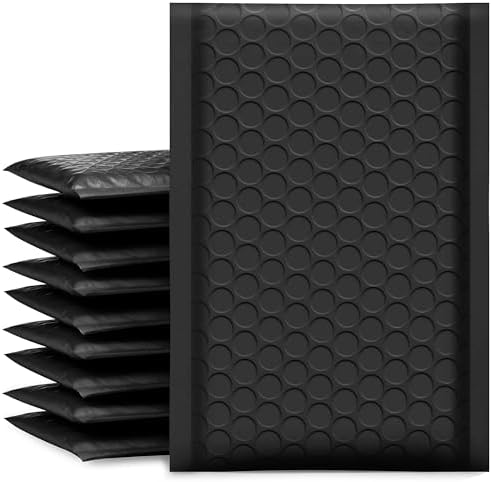
Comparison
| Poly mailer | Bubble mailer | Box | |
|---|---|---|---|
| Protection | Water and scuffs only | Light impact | Best |
| Weight added | Lowest | Low | Highest |
| DIM weight risk | Very low | Low | Higher if oversized |
| Packing speed | Fastest | Fast | Slowest |
| Best for | Clothing, textiles | Accessories, cases, small electronics in retail packaging | Glass, ceramics, cosmetics, heavy items |
Decision steps
- Can it break or bend? Yes: box. No: continue.
- Could a knock damage it? Yes: bubble mailer. No: poly mailer.
- Is it heavy and small? Consider a small box and check cubic pricing.
Lessons from running seller operations
- Damage claims cost more than packaging. When in doubt, size up the protection, not the box.
- Keep two or three box sizes rather than one large one; oversized boxes trigger dimensional weight.
- Write the packing rule for each SKU into your SOP so every packer uses the same material.